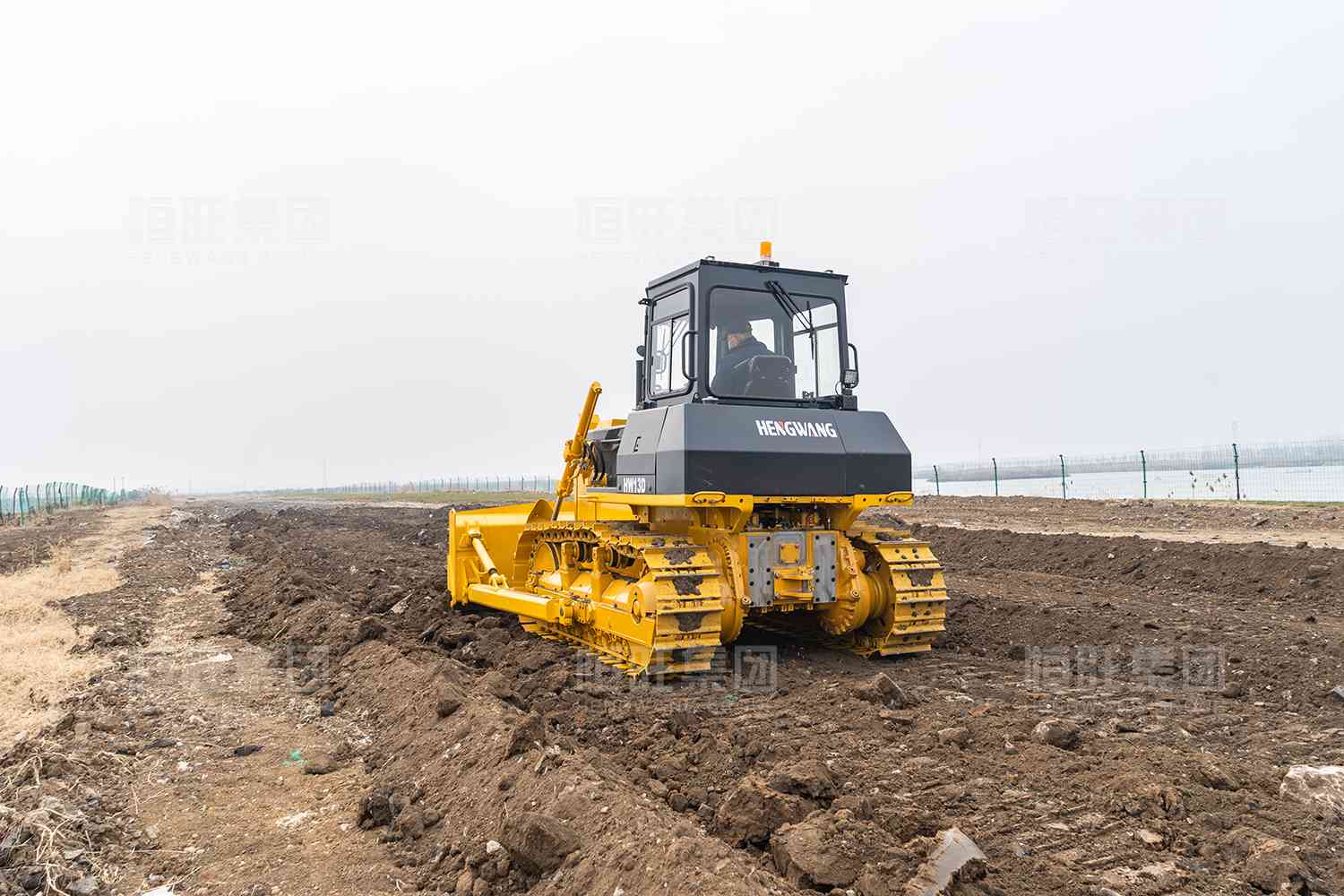
I. Differences in Basic Design and Core Components
Bulldozer - Rigid Bulldozing Device as the Core
The iconic component of a bulldozer is the front fixed bulldozer blade (also known as a dozer blade), welded from high-strength steel, with vertical lifting and angle adjustment functions (usually tilting 20°-30° left and right). The blade is rigidly connected to the chassis, relying on the machine's weight to generate strong pushing force, suitable for handling hard soil or gravel layers.Loader - Flexible Articulated Bucket System
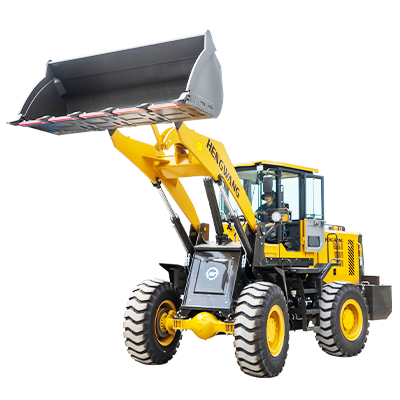
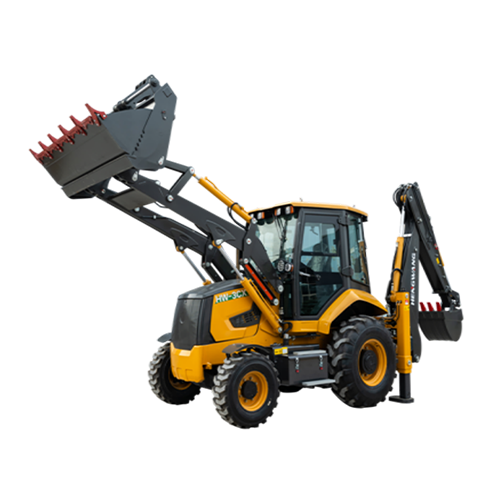
The core component of a loader is the rotatable articulated bucket, which achieves lifting, tilting, and horizontal movement through hydraulic cylinders. The bucket bottom is designed with an arc-shaped edge for easy insertion into material piles, and different types of buckets (such as universal, toothed, side-dump, etc.) can be replaced according to working conditions, offering stronger adaptability.
II. Comparison of Operational Functions and Technical Principles
| Comparison Dimension | Bulldozer | Loader |
|---|---|---|
| Core Operation Mode | Horizontal pushing, leveling, and compacting | Shoveling, lifting, and transporting |
| Power Transmission | Relies on track/tire ground pressure, emphasizing low-speed high torque | Focuses on fast lifting and precise control, with more sensitive hydraulic systems |
| Typical Operation Trajectory | Linear back-and-forth pushing, single operation coverage width 1.5-4 meters | Arc-shaped shoveling → linear transportation → fixed-point unloading, operation radius 3-5 meters |
| Ground Impact Intensity | The blade directly contacts the ground, breaking 10-30cm hard soil layers | The bucket only contacts the ground during shoveling, providing stronger road protection |
III. Segmentation of Core Application Scenarios
Bulldozer: The "Ground Artist" of Earthwork Projects
Loader: The "All-Rounder" of Material Handling
IV. Selection Decision Reference
Conclusion
Although both bulldozers and loaders belong to earth-moving machinery, the former is a "ground transformation expert," and the latter is a "material handling specialist." Understanding the technical characteristics and application boundaries of the two helps engineering teams select models accurately in construction planning to maximize equipment efficiency. In actual operations, the two types of equipment often work in collaboration (e.g., after the bulldozer levels the site, the loader is responsible for clearing excess soil), forming an efficient mechanized construction combination.